


How Vehicle Software Updates Are Changing Modern Vehicle Repairs for Automotive Repair Shops
 21.05.2026
 5 mins to read
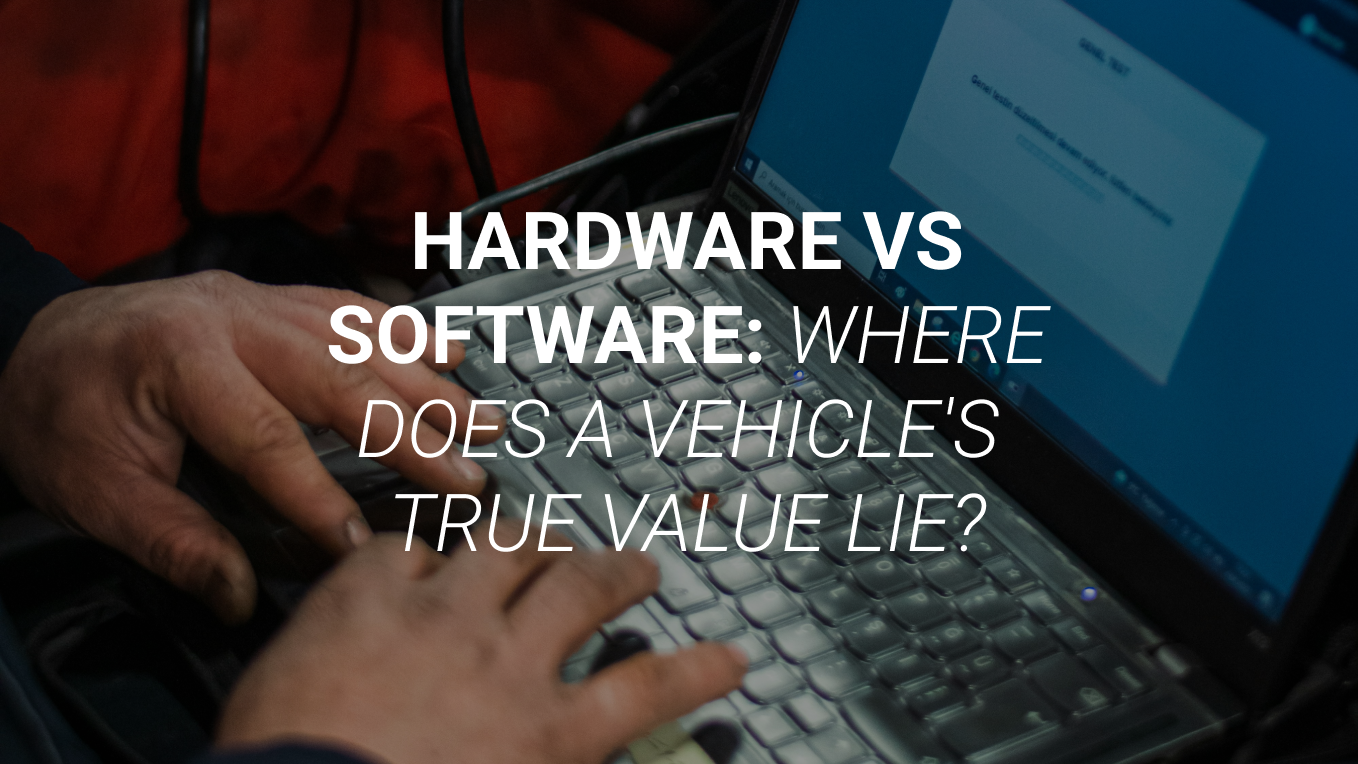
The engine used to be the product. Now it is the software update. And that has direct consequences for anyone repairing modern vehicles.
In 2026, updating a car is no longer only an IT upgrade. Manufacturers are changing the designs of their electrical and electronic infrastructures, investing in cloud-native delivery and over-the-air vehicle software updates, and treating data and AI as core parts of the product.
Automakers are transitioning from hardware-centric architectures to software-defined vehicles, where functionality and differentiation are delivered through software. The engine is still there. The panels still need straightening. But what makes one car different from another is increasingly in the code, not the components. Digital and software-related revenue now represents 15% of total auto industry revenue.
Features you cannot see, problems you cannot afford to miss
The most visible example of this shift is the features unlocked after purchase. Owners can purchase software upgrades that unlock additional capabilities, such as improved acceleration or advanced autonomous driving features. In many cases, the physical hardware for those capabilities already exists inside the vehicle. The difference between a standard model and an upgraded one may simply be a software licence.
Subscriptions, feature unlocks, and digital services now support recurring income models for manufacturers. GM is projecting deferred revenue from software to rise to $7.5 billion in 2026.
The question is what happens when a vehicle with unlocked ADAS features comes off your ramp, and those systems have not been properly recalibrated. The software does not know you fixed the panel. It only knows whether it has been told the system is ready.
Drivers are paying for software, too. McKinsey’s 2025 consumer survey found 60% of car buyers would pay for software-enabled upgrades, but only when they understood what they were getting. Safety and convenience features converted well. That matters to you because a customer who paid for those features expects them to work after a repair.
What the software shift means on the workshop floor.
Here is what the hardware-to-software shift looks like in practical terms for a collision repairer in 2026:
- a vehicle with forward-facing cameras requires calibration after any windscreen replacement or front-end repair, regardless of whether the driver uses the ADAS features
- ADAS calibration failure is not always visible. A misaligned radar sensor or incorrectly positioned camera can pass a visual check and still produce dangerous system errors
- the average repair cost after a collision increased by 50% between 2019 and 2024, driven by technological advances and the specialised skills required to repair modern vehicles safely
- OTA updates can change vehicle system parameters after repair, meaning a calibration done correctly at handover can be superseded if the technician does not account for the vehicle’s software state
- software-defined vehicles have fewer but more complex electronic control units, meaning a single damaged component can affect multiple systems simultaneously.
Two-thirds of UK garages were not ADAS-ready in 2025. That is not a statistic about vehicle technology adoption. It is a statistic about revenue leaving the building.
The skills gap is not just about EVs
The skills challenge is too often framed entirely around electric vehicles. EVs matter. High-voltage competency is non-negotiable. But the software shift creates a parallel skills demand that gets far less attention. 73% of repair and salvage professionals identify the widening skills gap as a growing challenge. 800 paint technicians leave the industry each year, while only 400 new entrants join. Only 12% of paint technicians are under 25.
The technicians exiting were trained on hardware. The vehicles arriving are defined by software. That gap shows up in repair times, missed calibrations, insurance disputes, and throughput figures.
The table below maps the old skills model against what the incoming vehicle parc now demands:
| Discipline | Traditional Competency | Software-Era Requirement |
| Panel Beater | Metal work, structural repair | Sensor awareness, ADAS component proximity |
| Paint Sprayer | Surface prep, application | Camera housing placement, radar cover integrity |
| Damage Assessor | Visual and physical inspection | Software state assessment, OTA update status |
| Estimator | Parts and labour costing | ADAS calibration costs, system reset time |
| Bodyshop Manager | Workflow and bay management | Calibration compliance, equipment investment planning |
The business model has changed. Has your workforce?
Manufacturers have restructured around software as the primary source of value and recurring income. CES 2026 marked a clear shift, with automakers positioning cars as software-defined vehicles rather than fixed hardware. The gap between the skills the industry needs and the talent available is widening. This directly impacts insurance premiums, repair times and customer satisfaction across the UK.
The vehicles have changed. The value they carry has changed. The only question left is whether the people repairing them have changed, too.
If your workshop cannot calibrate ADAS systems in-house, that work is going somewhere else. If your damage assessors are working from a hardware-only mental model, they are underestimating complexity and margin on every estimate. And if you are hiring panel beaters or paint sprayers without considering what sits behind the panels and behind the paint, you are building a team for a vehicle parc that no longer exists.
The right people make the difference
Looking for a panel beater who understands sensor proximity? A damage assessor who can read a vehicle’s software state? An estimator who accounts for ADAS calibration? Speak to Meenz. Collision repair staffing is what we do.
Sources:
https://devoxsoftware.com/blog/the-2026-future-outlook-of-automotive-software-modernization
https://www.gminsights.com/industry-analysis/automotive-software-market
https://www.ibm.com/think/topics/software-defined-vehicle
https://medium.com/@len213noe/your-next-car-might-be-a-subscription-f4844177423d
https://insideevs.com/news/785581/gm-subscription-software-super-cruise
https://www.bodyshopmag.com/2026/news/repair-sector-skills-gap-widening-warns-imi