


Vehicle Spray Painter: Paint Technician Skills Checklist for Vehicle Repair
 05.03.2026
 5 mins to read
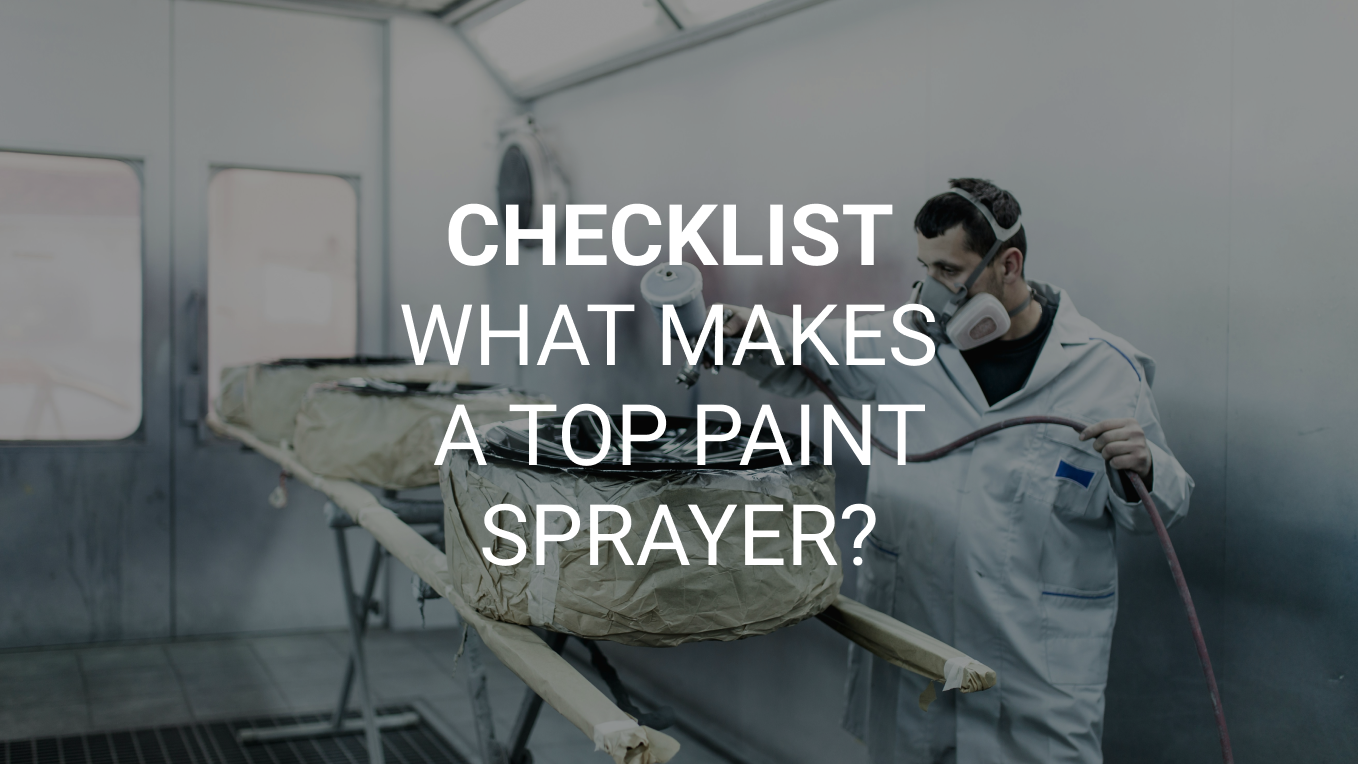
What really separates a highly skilled automotive paint professional from someone who simply has experience? In automotive refinishing, finish quality, durability, and compliance directly influence workshop productivity, warranty risk and customer satisfaction. Small mistakes in preparation or application can lead to costly rework. As a result, recruitment is rarely based solely on experience. This article examines what truly matters when hiring a Vehicle Paint Sprayer/ Painter in the automotive industry and what employers actually evaluate during the recruitment process.
Occupational standards and qualification frameworks for vehicle spray painter
The role of a Vehicle Paint Sprayer is formally defined within national occupational systems. In the UK, a paint sprayer prepares vehicle surfaces, mixes coatings and applies finishes using specialist equipment. In Australia, the occupation of Vehicle Painter is classified under the national skills framework and typically requires Certificate III level training supported by competency-based workplace experience. The Australian and New Zealand Standard Classification of Occupations (ANZSCO) describes vehicle painters as responsible for preparing surfaces, matching colours and applying protective coatings to vehicles. These frameworks are similar, but most importantly, they both confirm that automotive refinishing is a regulated technical trade built on defined skill criteria.
Technical process competence
Automotive refinishing follows a controlled sequence: inspection, surface preparation, sanding, priming, colour formulation and final finishing. Every stage affects adhesion, visual consistency and long-term coating durability. Official occupational descriptions emphasise process accuracy, correct equipment handling and quality control as central responsibilities. During recruitment, structured knowledge of paint systems, curing cycles, blending techniques and defect rectification methods signals professional capability.
Core technical competencies
Beyond safety and regulatory awareness, recruitment also focuses heavily on practical execution skills. In automotive refinishing, theoretical knowledge must translate into consistent real-world results on vehicle surfaces. Technical performance is therefore one of the most important areas evaluated during recruitment. The following core competencies represent the practical skill areas most commonly assessed in Vehicle Paint Sprayer/Painter candidates.
| Competency Area | Why It Is Assessed During Recruitment |
| Surface Preparation | Prevents coating failure and adhesion defects |
| Colour Matching & Mixing | Ensures manufacturer-standard finish |
| Spray Gun Operation | Controls coating thickness and uniformity |
| Booth & Ventilation Operation | Supports compliant and contamination-free work |
| Hazardous Chemical Handling | Ensures regulatory compliance and worker safety |
Health, safety and regulatory awareness
Automotive painting environments involve exposure to solvents and airborne particulates. Regulatory guidance requires effective ventilation systems, respiratory protective equipment and proper hazardous substance handling. Understanding these requirements is considered part of professional competence. Recruitment processes often assess knowledge of PPE standards, spray booth airflow principles and compliant material disposal procedures.
Professional verification checklist
When you put all of these requirements together, it becomes clear that hiring a Vehicle Paint Sprayer / Painter involves evaluating a wide range of technical, safety and practical skills. Instead of looking at individual factors in isolation, it is more useful to consider them as a complete professional profile. To help summarise the most important recruitment criteria, the following checklist brings the key evaluation points together in one clear overview:
- Recognised vocational qualification or apprenticeship pathway — Formal trade education signals structured knowledge of automotive refinishing processes, coating chemistry and workshop standards.
- Demonstrable experience in automotive refinishing — Hands-on work with vehicle surfaces, repair preparation and paint application systems demonstrates the ability to translate knowledge into consistent real-world results.
- Understanding of PPE usage and hazardous chemical controls — Professional painters must know how to work safely with solvents and coatings by using appropriate protective equipment and following safe handling procedures.
- Ability to interpret manufacturer technical data sheets — This includes working with paint system documentation, understanding mixing ratios, curing windows and application settings to ensure optimal finish performance.
- Evidence of consistent finish quality and minimal rectification rates — Strong candidates typically demonstrate this through previous work portfolios, workshop references or proven production-quality output.
These competencies represent the foundation of professional performance in automotive refinishing. For those working within or entering the automotive paint trade, practical opportunities continue to exist across bodyshop and vehicle repair environments.
Job description
If you are interested in exploring current Vehicle Paint Sprayer and Painter opportunities, you can view active roles here:
- https://meenz.co.uk/job/vehicle-paint-sprayer/
- https://meenz.co.uk/job/vehicle-painter-5/
- https://meenz.co.uk/job/vehicle-painter-3/
- https://meenz.co.uk/job/painter-3/.
Workshop integration and performance standards for paint technician / paint sprayer
Technical skill alone does not determine long-term workshop performance. Automotive painters operate within coordinated repair environments where timing, communication and process discipline influence throughput and customer satisfaction. Professionals who combine formal qualifications, safety awareness and consistent technical execution are more likely to meet production targets while maintaining regulatory compliance. In structured automotive operations, these competencies form the foundation of recruitment decisions.
Looking ahead
Looking ahead, recruitment for Vehicle Paint Sprayer and Painter roles will continue to focus on precision, quality consistency and professional discipline rather than experience alone. As automotive refinishing technology evolves, the value of structured training, safety awareness and process control will only increase. Professionals who combine technical skill with quality-driven workmanship will remain essential to modern bodyshop operations.
Sources:
https://nationalcareers.service.gov.uk/job-profiles/paint-sprayer
https://nationalcareers.service.gov.uk/job-profiles/paint-sprayer
https://meenz.co.uk/job/vehicle-paint-sprayer/
https://meenz.co.uk/job/vehicle-painter-5/