


Automotive Industry Skills Shortage: Why Australia Is Beating the UK Motor Trade on Jobs and Pay
 09.12.2025
 5 mins to read

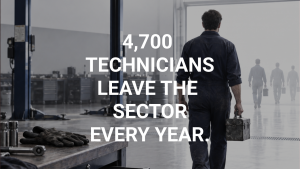
How deep does the labour shortage really run in the automotive trade? And could a move to Australia genuinely mean better job prospects — or even better pay? In this article, we break down the freshest 2025 data from both markets, focusing on the roles that matter most: vehicle painters, panel beaters, diesel mechanics, fabricators, bodyshop managers and estimators. The numbers paint a clear picture: both countries urgently need skilled hands, but the scale and the reasons look very different. Let’s explore where demand is strongest and what this means for anyone working in the trade.
Labour market pressures in the automotive industry
The UK automotive sector entered 2025 with around 17,000 vacancies and a vacancy rate of 2.8%. Despite a slight softening in overall vacancies, demand for technical talent is still rising, with a 4% lift in vehicle technician demand early in the year.
Australia, on the other hand, faces a much sharper squeeze. Industry analysis throughout 2025 highlights an estimated 28,000-strong technician shortfall and around 14,000 unfilled apprenticeships, leaving the aftermarket and workshop sectors struggling to keep pace with customer demand.
Jobs & Skills Australia’s 2025 Occupation Shortage Report backs this up, confirming that automotive technicians and trades workers remain among the hardest-to-fill roles nationwide.
Where the skills shortage bites — role by role
Below is a compact comparison for certain automotive roles showing where pressure is strongest based on available 2025 sector reporting:
| Role | UK 2025 picture | Australia 2025 picture |
| Vehicle painter / Panel beater (body repair) | Specialist body repair roles still in demand; pay rising for skilled painters and beaters, even as overall vacancies flatten. | Regularly listed among the most difficult roles to fill; many workshops report turning away work or lengthening lead times because of paint/body vacancies. |
| Diesel mechanic / General technician | Continued demand for EV-ready and diagnostic-skilled technicians (4% rise); growth in advertised salaries for technicians. | Sector reports indicate the biggest shortfall of all trades — widespread difficulty hiring, amplified by a weak apprenticeship pipeline. |
| Fabricator | Skills mismatch persists; pay rises seen for specialised metal workers in some UK regions. | Fabrication and welding trades listed among trades under pressure in technician/trades group reporting. |
| Bodyshop manager / Estimator | Fewer vacancies than technician roles, but experienced managers are still in short supply. | Fewer senior candidates and competition for managers reported by industry groups; operations strained by technician shortages. |
Core reasons behind the ongoing motor labour gap
Although vacancy numbers shift from year to year, the root causes are far more stubborn. The 2025 data makes it clear that both the UK and Australia are grappling with structural issues rather than short-term fluctuations. Several key drivers continue to widen the gap and shape the talent landscape across both markets:
- Apprenticeship & pipeline issues: JSA’s 2025 reporting shows Skill-Level 3 (technician) fill rates lag behind other groups, signalling ongoing entry-level flow problems;
- Technological shift: UK reporting warns that many technicians lack EV qualifications and diagnostics experience, creating a specialist shortfall even where general vacancies fall.
- Structural shortages in Australia: AUSMASA’s 2025 bulletins quantify technician shortfalls and unfilled apprenticeships across the aftermarket and workshop network.
- What this means— practical takeaways for 2025
Taken together, this paints a picture of two markets under pressure but for different reasons. In the UK,the shortage is increasingly about skills, not just people: workshops need techs with EV, ADAS and diagnostic capabilities, and upskilling has become essential for staying competitive.
Australia’s challenges run deeper. Industry reports show a scarcity of workers at every stage, from apprentices to senior technicians, leaving workshops competing heavily for the same small talent pool and often paying more to secure it.
For tradespeople, the shifting landscape means more leverage, more choice and, in many cases, higher pay, especially for those with modern technical competencies. Meanwhile, new entrants still benefit from apprenticeship pathways, but the experience varies significantly across regions and under different workforce pressures.
Paycheck Showdown: UK or Australia?
So how do the two markets compare when it comes to earnings? Converted to GBP for a like-for-like view, Australian workshops offer noticeably higher hourly rates across the same technical roles. Vehicle painters in the UK typically earn £19–£20 per hour, while their Australian counterparts receive £24–£26. Panel beaters follow a similar pattern, with £19–£21 in the UK versus £25–£30 in Australia. Bodyshop managers see an especially sharp contrast, from £50,000–£60,000 annually in the UK to £62,000–£75,000 in Australia, and even fabricators earn slightly more on the Australian side, at £21–£24 compared with £18–£21 in the UK. While these figures vary by workshop, region and experience, they underline a clear pattern: Australia’s acute labour shortage is translating into consistently higher pay.
Check out what positions are waiting for you in Australia: click here
A future shaped by automotive skills — and shortages
In 2025, the story is simple: the UK faces a still-tight but stabilising market where specialist modern skills are scarce, while Australia faces deeper structural shortfalls measured in tens of thousands of technicians and many unfilled apprenticeships. If you are choosing where to work (or deciding which skills to invest in), the message is simple: the UK rewards advanced EV and diagnostics training, while Australia offers premium pay and abundant opportunities across paint, panel and mechanical trades. In both markets, the future belongs to those who keep their skills sharp.
Sources:
https://tide.theimi.org.uk/industry-latest/research/automotive-labour-market-briefing-may-2025
https://ausmasa.org.au/news-and-events/automotive-research-bulletin-september-2025
https://www.jobsandskills.gov.au/research/occupation-shortage-report