


ADAS Diagnostics and Calibration: Avoiding Costly Mistakes in Collision Repair
 26.10.2026
 6 mins to read
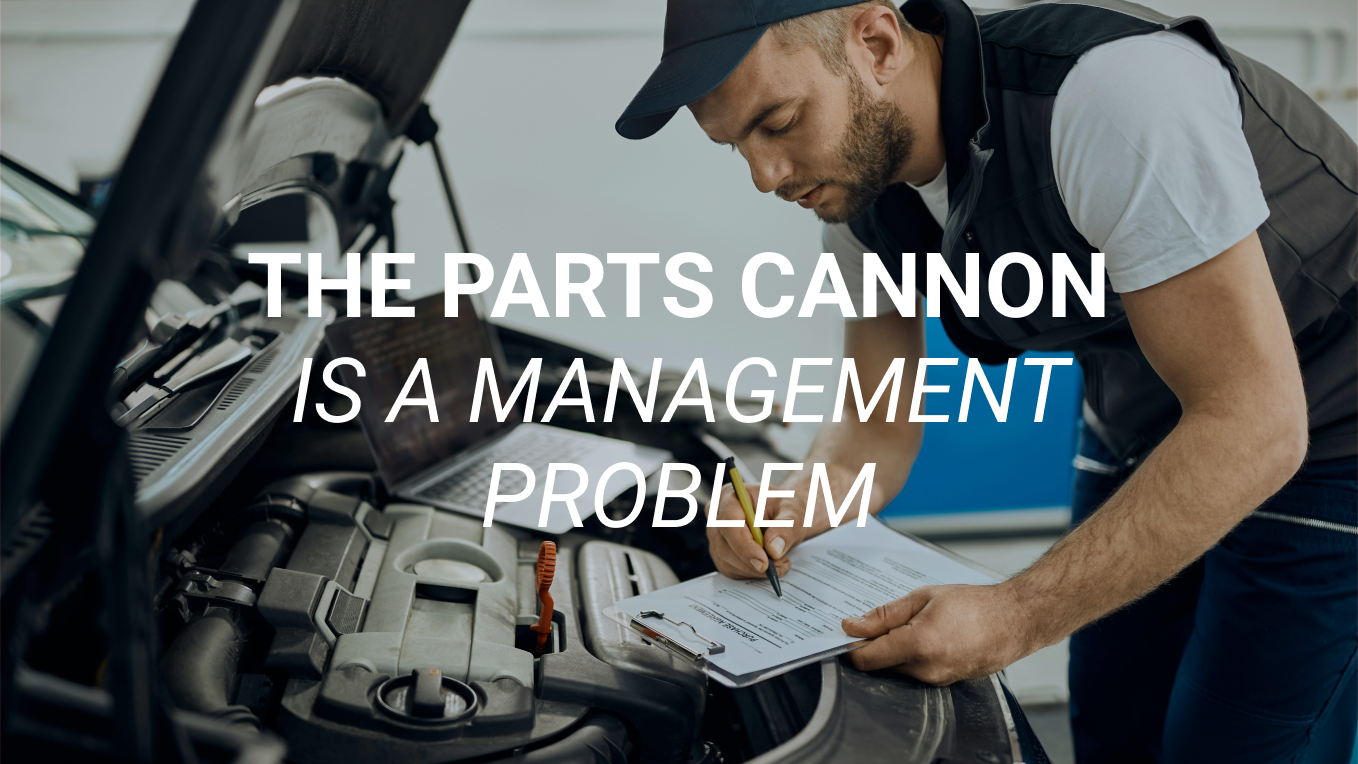
Say your technician pulled a fault code and ordered a £450 radar without testing the circuit.
He unboxed it, bolted it on, and the dashboard warning stayed on. Now your parts factor refuses to take back fitted electronics. That is £450 straight down the drain on a fault that still exists.
Are you going to keep paying for parts guesswork, or build a diagnostic sequence that drops the hero tech reliance?
If your answer is the latter, here is your fix.
A fault code points at a component. Only diagnostics proves the cause
Reading a code takes a scan tool. Proving the cause takes testing, and that is the skill worth paying for.
ADAS Line, a UK calibration provider, recorded 676 enquiries related to advanced driver assistance systems (ADAS) between 17 January and 16 September 2026. 37% were triggered by repair work: bumper or body repair, replaced parts or collision repair. 26.5% came from drivers who reported warning lights or a driver-assistance system fault but named no cause. The figures cover that provider’s own enquiries.
Same dashboard light, two histories. The code points to the same system in both, and only a test shows which history you are repairing.
The report lists radar code P2583-76 as a millimetre wave radar misalignment code, alongside other radar-related codes.
Skip the test and the chain plays out: code, sensor, wiring, module. Depending on the vehicle’s procedure, replacing a radar or camera may require calibration. The same can apply to bumper work around the sensor. The calibration partner of Car Fix Solutions calls it a safety-critical procedure and says the liability sits with the bodyshop carrying out the work. A single fault can turn into multiple parts orders and multiple jobs on the same car.
Once testing finds the real cause and the right part goes on, one question stays open: is the sensor aiming where it should, or does a dark dashboard only look like a finished repair?
A clean dashboard proves nothing about ADAS calibration after a collision
Autotech Training lists what can compromise ADAS accuracy after a repair: a routine repair, a windscreen replacement, suspension work or a small collision.
A post-repair scan shows whether faults are still present.
A check against the OEM procedure shows whether the sensor is correctly positioned and calibrated. Your process needs to define both checks before the keys go back.
Seven steps that make test-first the default
Seven steps, always in this order. The part gets ordered at step six, and only when steps one to five have produced the proof. Each step leaves a line on the job card:
- Symptom: record what is seen and when it happens.
- Scan and data: pull codes, freeze frame and live data, and save the report.
- Testing: check power, earth, signal and connectors before blaming the part.
- Evidence: write down each test result, pass or fail.
- Root cause: name it in one sentence the evidence supports.
- Repair: fix the cause, then order only what the evidence condemns.
- Verification: sign off against the original symptom.
Start the record at the estimate with a pre-scan, so you have a baseline for what arrived and what changed during the repair.
Someone must own the gate in modern vehicle repair
Name one person who signs off every electronics order against the test record. In most shops, that is the bodyshop manager or workshop controller.
The role takes one question, asked every time: where is the evidence? Any manager can ask it, so the gate keeps working when your best diagnostician is off sick or has left. That is how you reduce hero-tech reliance.
Keep a tally of refused orders next to the approved ones. Each refusal marks a part that would have been bought on a guess, and the tally shows which job types still skip the tests.
Every approval and every refusal leaves a dated record. When a customer or insurer questions a repair later, that record shows what was tested, why the part was ordered and who signed it off.
Decide which ADAS diagnostics and calibration to handle in-house and what to hand to specialists
Car Fix Solutions outsources ADAS calibration and diagnostics, and its owner reports a very high first-time fix rate from those specialists. Its provider adds that remote diagnostics spares bodyshops from relying on dealers for programming and secure gateway access.
Sort your jobs into two piles: tests your technicians run and record themselves, and tests that need specialist or manufacturer-level access. Make the handoff a step on the job card, so both piles leave a record. Both also need someone who can read the results, and finding that person is getting harder.
A skills shortage makes process discipline more important
The repair sector is short of people, and only a small share of UK technicians hold an ADAS qualification:
| Figure | What it measures |
| 73% | Repair and salvage professionals who identify the widening skills gap as a growing challenge |
| 50% | Rise in average post-collision repair cost, 2019 to 2024, which Thatcham attributes to technology and the specialist skills modern repairs need |
| 1,700 | Net annual shortfall of workers in the sector: about 4,700 leave and about 3,000 join |
| 3% | UK technicians holding an ADAS qualification |
The same IMI forecast says the UK may need more than 220,000 ADAS-qualified technicians by 2032.
Fewer people to hire means each bodyshop leans harder on what it has written down. A written sequence keeps good practice in the building when someone leaves, and the next hire inherits it.
When you recruit, look for people who record their test results and name a cause before they order a part. Skill with a scan tool comes second to that habit.
Before you hire anyone, find out what your current process costs.
Put a number on it this week
Pull your last ten comebacks and every part you could not return. For each one, check whether a test was recorded before the part was ordered.
Count the nos. Add the part value, technician hours, bay time and courtesy car days. That total is what your current system costs you, and no invoice shows it.
A test-first process runs only as well as the people following it. If a vacancy for a vehicle technician, bodyshop manager or workshop controller is what stands between your shop and that process, bring it to Meenz. Recruiting automotive and bodyshop talent across the UK is what we do every day.
Contact us: https://meenz.co.uk/contact-us/
Sources:
https://adasline.co.uk/research/uk-adas-calibration-report-2026
https://www.bodyshopmag.com/2026/news/adas-calibration-specialists-key-to-bodyshop-success
https://www.bodyshopmag.com/2026/news/adas-training-critical-to-autonomous-future
https://www.theimi.org.uk/industry-latest/news/accident-and-repair-sector-losing-1700-workers-year
https://www.theimi.org.uk/industry-latest/research/adas-techsafe-technician-forecast-q4-2025